
Complete Guide to the 2026 Wildebeest Migration: Timing is Everything
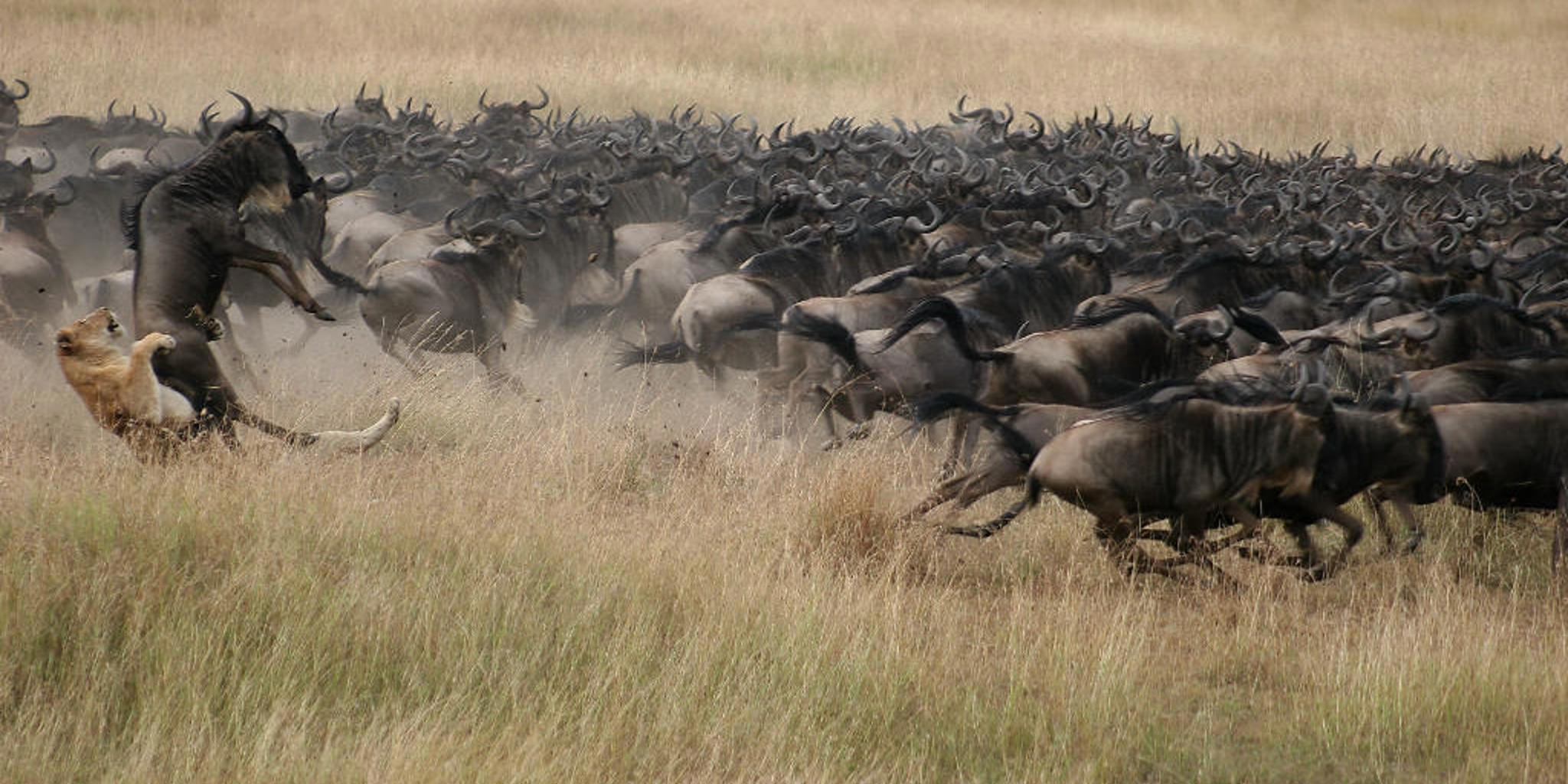
There is no wildlife spectacle on the planet quite like the Great Wildebeest Migration. It is a primal, thundering display of endurance that sees over two million animals traverse the Serengeti-Mara ecosystem. If you are planning to witness this “Eighth Wonder of the World” in 2026, timing and location are the difference between a good trip and a life-changing one. Here’s your guide to the best time to witness the great migration, along with essential tips for an unforgettable experience.
When to Go: The 2026 Migration Calendar
While the migration is a continuous loop, the herds typically grace Kenya’s Masai Mara from July to October. However, within this window, the experience shifts dramatically:
- July (The Arrival): The “scouts” arrive first, followed by massive columns of wildebeest and zebra pouring over the Sand River. This is an excellent time for photography as the grass is still golden and the air is relatively clear of dust.
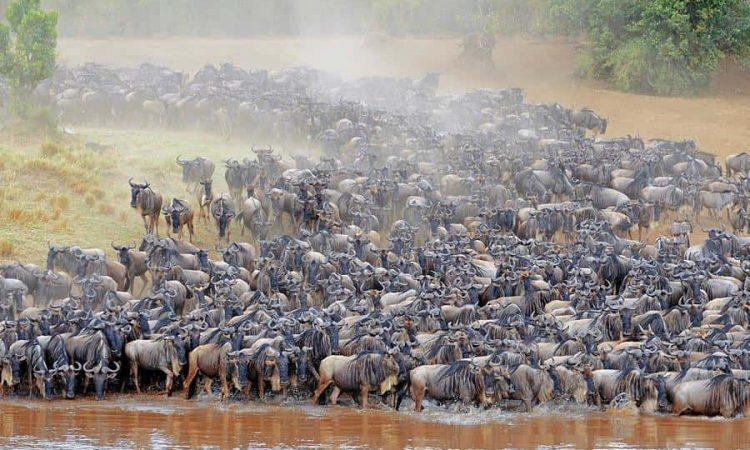
- August & September (Peak Drama): This is the holy grail for safari enthusiasts. The herds congregate along the Mara River, and the iconic, high-stakes river crossings are at their most frequent. Be prepared for the tension—hundreds of animals may wait on the banks for hours before a single wildebeest takes the “leap of faith” into crocodile-infested waters.
- October (The Return): As the short rains begin in the south, the herds start their trek back to Tanzania. This “shoulder” period offers a quieter experience with fewer vehicles but still plenty of predator action as lions and leopards shadow the departing herds.
The Ultimate Viewing Point: The Mara River
The epicenter of the action is along the Mara River. This is where the wildebeest must brave the treacherous currents and ambush predators. Popular viewing points are strategically located to offer panoramic views of the crossings. Your experienced safari guide will know the best spots to position you for optimal viewing, ensuring you’re safe and respectful of the wildlife.
Pro Tip: Patience is your greatest asset. A crossing can happen in a flash after four hours of waiting, or the herd might simply turn around. Trust your guide’s intuition over the radio chatter.
Where to stay for an Immersive Experience.
To truly experience the migration, you need a front-row seat. These two properties offer the perfect blend of luxury and strategic location:
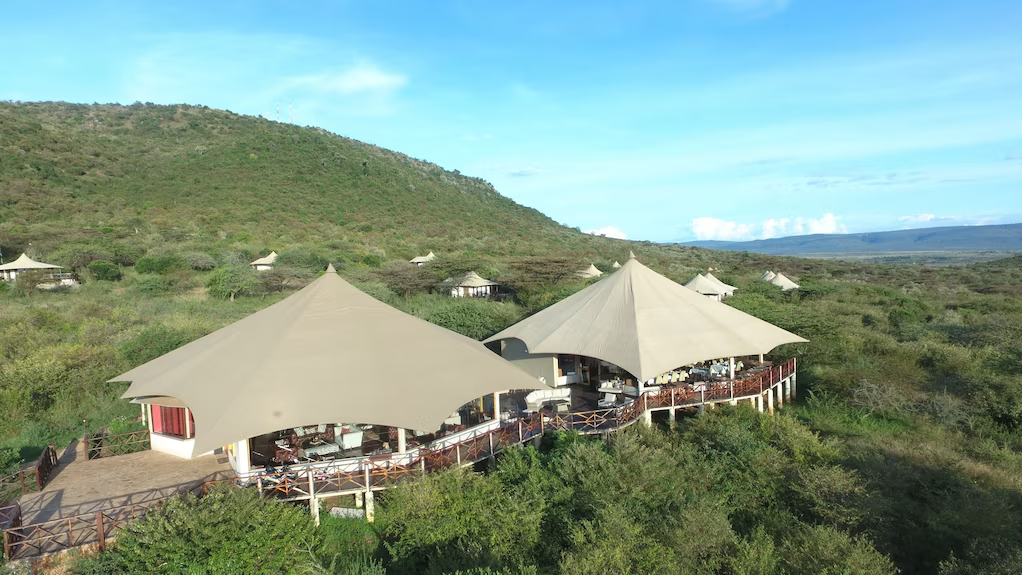
- Emayian Luxury Camp: Located on the hills of the Ololaimutiek village, Emayian offers an intimate and high-end experience. What sets this camp apart is the private outdoor jacuzzi on every tent’s deck—perfect for soaking after a long day on the plains while watching the sun set over the horizon. The camp is known for its “Welcome Home” hospitality and personalized service, making it a favorite for couples and honeymooners.
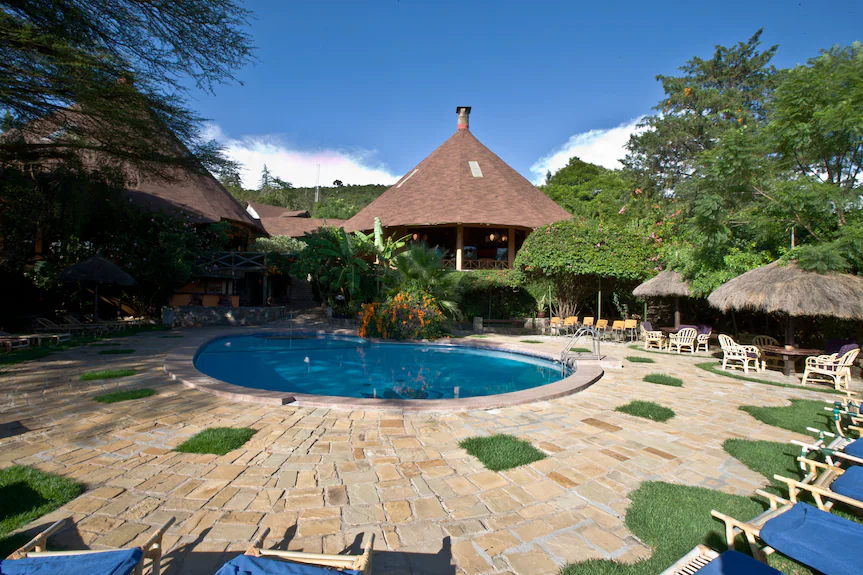
- Mara Sopa Lodge (The Iconic Hillside View): One of the first lodges built in the Mara, Sopa Lodge sits high on the slopes of the Oloolaimutia Hills. Its unique architecture—circular cottages with conical roofs—mimics traditional African homes. Because it is so well-established, the gardens are lush and mature, attracting wildlife (like zebras and monkeys) right to the property. It features a large, stunning swimming pool and is ideal for families seeking a classic, comfortable safari lodge atmosphere.
Essential Travel Tips for 2026
- Book 5–7 Months Ahead: For 2026, the best camps are already seeing high demand. To secure a riverside tent during August, early booking is non-negotiable.
- Pack for “The Layers”: It may be Africa, but 6:00 AM game drives are chilly (around 10°C). Wear a fleece or light down jacket that you can shed as the sun heats the savannah to 28°C by noon.
- Focus on the Conservancies: While the main Reserve is where the river crossings happen, the private conservancies (like Olare Motorogi or Mara North) offer “off-road” driving and night games, which are prohibited in the Reserve. A “split stay” between the two offers the best of both worlds.
- Don’t Forget the Dust: The Mara can get incredibly dusty during the peak dry season. Bring a scarf (shuka) to cover your face and a quality dust cover for your camera lenses.
The Great Migration isn’t just about the crossing; it’s about the energy of the plains, the smell of the rain, and the raw cycle of life and death. Contact our team to book your dream Kenyan adventure.

